Automated email marketing for online stores: 7 tips

Contents · 8 sections
- 1. Build an effective email marketing list
- 2. Segment for higher engagement
- 3. Automate your email marketing campaigns
- 4. Personalize beyond the customer’s name
- 5. Optimize your content and design
- 6. Analyze your email marketing results
- 7. Integrate and scale your business
- A successful email marketing strategy that drives sales
Every online store owner wants to get the most out of their resources, with a strategy that turns traffic into lasting value. Most of the attention goes to attracting new visitors, but the real potential to increase sales lies in the contacts you already have. Done right, email marketing for an online business isn’t just a tool. It’s a powerful engine for long-term profit.
Many entrepreneurs underestimate email marketing, dismissing it as annoying or outdated. In reality, it’s still one of the channels with the highest return on investment. Below, I’ll show you how well-planned campaigns and smart personalization can transform your online store and help you reach your goals, using email marketing campaigns to increase sales on autopilot.
1. Build an effective email marketing list
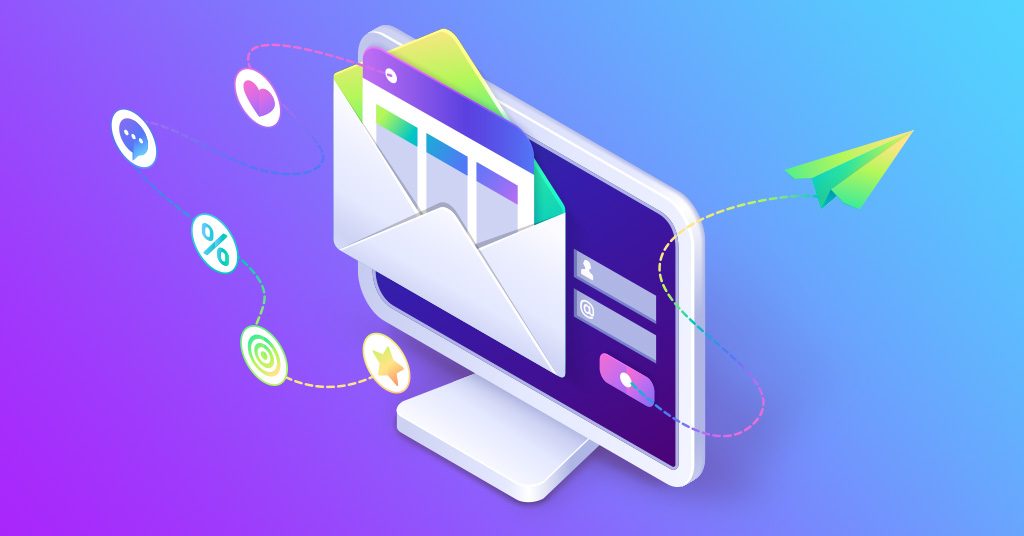
Every effective email marketing program starts with people who actually want to hear from you. Your email list should be built organically and ethically. For online stores, the quality of your list matters far more than its size. Buying lists of email addresses not only hurts your brand’s reputation, but often gets your domain blocked by email providers.
To collect quality sign-ups, you have to offer real value in return. Here are a few methods that work:
- A first-order discount: A classic incentive that nudges visitors toward their first purchase.
- Exclusive content: A digital newsletter with tips on using your products or on the latest fashion trends.
- Early access to deals: A promise that subscribers will be the first to hear about upcoming promotions.
When someone chooses to leave their email address, they’ve already taken the first step toward becoming a loyal customer. That sign-up marks the start of your marketing strategy, and from then on your job is to prove your content deserves their attention.
2. Segment for higher engagement
Sending the same emails to every subscriber is a sure way to drive up your unsubscribe rate. Imagine you sell cosmetics and send an offer for men’s grooming products to your female audience. The result is predictable: lost trust. The key to success here is proper segmentation.
Splitting your audience into smaller groups makes your email campaigns far more relevant. Modern CRM software (customer relationship management) lets you track people’s behavior and interests in real time. You can segment by:
- Location: Useful for local promotions.
- Order history: Which items have they bought so far?
- Purchase frequency: Reward your most active customers and re-engage the ones who have gone quiet.
When you know your customer’s interests, you can send personalized offers that solve a specific problem. Segmentation turns mass marketing into a personal conversation that drives real sales.
3. Automate your email marketing campaigns
The biggest advantage of modern software is automation. Email marketing lets you set up sequences (workflows) triggered by specific user actions. That way you can scale your online business without growing your team.
The most important automated marketing flows are:
- Welcome sequence: A series of emails that introduces new subscribers to your mission and your best-selling products.
- Abandoned cart: An automated email that reminds customers of the products they left behind and encourages them to complete their purchase.
- Post-purchase: A thank-you note, usage instructions or a request for a review.
Every email marketing campaign of this kind takes some setup and careful optimization, but after that it works for you around the clock. That’s the heart of successful campaigns in the 21st century.
4. Personalize beyond the customer’s name
Truly effective email marketing is about much more than automatically inserting the customer’s name in the subject line. In a world flooded with information, people expect hyper-personalization. That means the content of your emails changes dynamically based on what each person has browsed in your online store.
If a customer often browses the “Accessories” category, your next personalized newsletter shouldn’t be about shoes. Personalization at this level shows that you value your customers’ time and only offer them what truly interests them. It doesn’t just boost sales. It also builds a strong emotional connection with your brand. With digital marketing tools, you can even predict when a customer will need to restock and send a reminder at just the right moment.
5. Optimize your content and design
For a campaign to succeed, it has to be technically flawless. More than 60% of people now check email on their phones. If your design isn’t mobile-optimized, you’re literally losing money.
An effective email needs three essential elements:
- A hook: A short, intriguing subject line that gets people to open your email.
- Value: A clear offer that answers the question “What’s in it for me as a customer?”
- A call to action (CTA): A clear, easy-to-spot button that takes people to your online store to complete their order.
Poorly formatted emails that load slowly or have broken links directly hurt email performance. The simpler and cleaner the user experience, the better your email marketing results will be.
6. Analyze your email marketing results
No marketing strategy is complete without detailed analysis. Check the numbers regularly to see what works and what doesn’t. In marketing, data is your best advisor.
Key metrics to watch:
- Open rate: Tells you how compelling the subject lines of your campaigns are.
- CTR (click-through rate): Measures engagement with the content inside your emails.
- Conversion rate: How many people made a purchase after clicking.
Tracking the online sales generated directly by each email campaign will help you calculate your return on investment. Continuous A/B testing of subject lines, button colors and send times is the path to a successful email marketing strategy.
7. Integrate and scale your business
Last but not least: integration. Your email strategy has to work hand in hand with your e-commerce platform. When your email sending software is connected to your CRM, you see the customer’s entire journey.
Syncing lets you update subscribers’ status automatically. For example, if someone has already bought the product in a promotion, they’re automatically dropped from the follow-up reminder emails. That way you don’t come across as pushy, and you protect the reputation of your online business.
When you decide to use email marketing professionally, you’re investing in an asset you fully control. Unlike social networks, where the rules change constantly, here you make the rules. A well-structured marketing strategy brings predictability and stability to your business.
A successful email marketing strategy that drives sales
Investing in a successful email strategy isn’t a one-off. It’s a long-term commitment to your loyal and potential customers. By sending useful, relevant content, you stop just “selling” and start building a community. Email remains the most direct and personal way to reach your customer.
When you combine automation with a human touch and personalization, the increase in sales will follow soon enough. Email marketing is a marathon, and it’s won by those who respect their audience’s time and deliver value with every newsletter they send.
Put these 7 tips into practice, and you’ll not only improve the return of your online store, but also build a sustainable growth engine that works for you while you sleep. It’s time to turn the people behind those email addresses into loyal brand ambassadors.
Petar Dyaksov
Entrepreneur and founder of a digital agency, in e-commerce since 2009. He grows online businesses such as Fragrances.bg and Timedix and shares his experience as a speaker, moderator and mentor at nearly 80 conferences and trainings.
More about me