Freelancer or Graphic Design Company: Which Should You Choose?

Contents · 5 sections
Visual communication is one of the most important parts of marketing and of building a successful brand. Whether it’s a logo, web banners, ad creatives or a complete visual identity, graphic design shapes how customers see your business. So sooner or later, most entrepreneurs face the same question: should they hire a freelancer or a graphic design company?
In this article, we’ll take a close look at both ways of working: what each one offers, which clients it serves best and how to tell which partner fits your needs. The goal is to give you clarity, confidence and practical guidance so you can make an informed decision.
What does a graphic designer do?
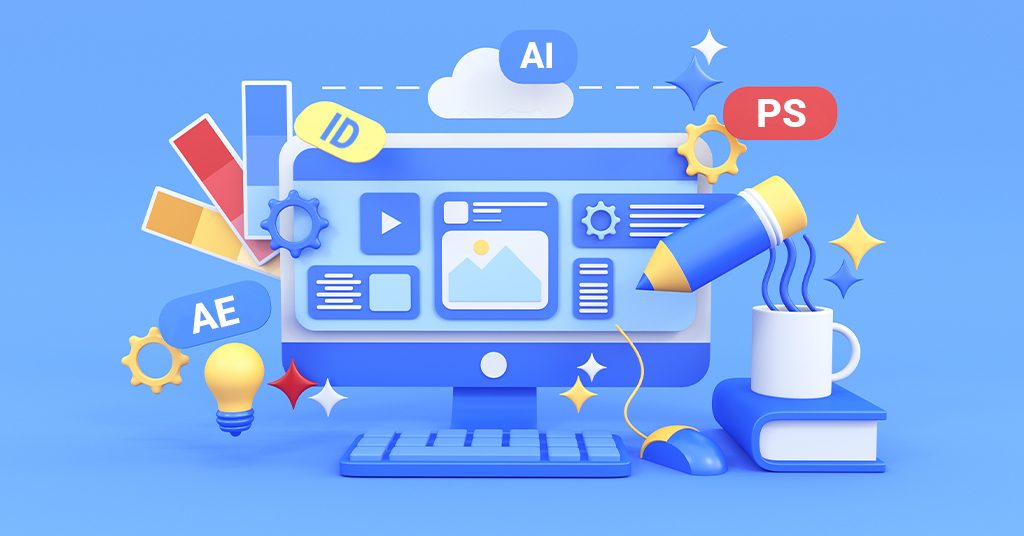
A graphic designer turns ideas into visual solutions: logos, marketing materials, web elements, social media posts, packaging, presentations and much more. The profession blends creativity, technical skill and a solid grasp of marketing.
The work includes:
- developing a concept around the client’s needs;
- creating designs in professional software (Adobe Photoshop, Illustrator and others);
- choosing fonts, colors and composition with a strategy in mind;
- adapting visuals for different formats, both print and digital;
- refining every element so it sends the right message.
A good designer understands how the audience thinks, what catches its eye and how to create visuals that look professional and serve the business’s goals. That’s why design is so closely tied to marketing, branding and building an online presence.
What is freelance graphic design?
A freelance graphic designer works independently, without a team behind them and without the established structure of a professional agency. Freelancers choose their projects and set their own pace, which often makes them the go-to option for smaller jobs. They take on all kinds of work, from social media visuals to banners and simple marketing materials, and try to combine creativity with speed.
This kind of collaboration can work well for short-term projects that don’t call for brand strategy, coordination among several specialists or long-term support. A freelancer offers direct communication and sometimes lower prices, which can suit a startup. Keep in mind, though, that the freelance world is full of beginners, and that can show in the quality and maturity of the final design.
Freelancing also has natural limits, and you feel them most as your business grows. One person handles everything: design, communication, planning, deadlines, revisions and admin. If the designer gets sick, takes on too much or hits an unexpected snag, the whole process stops. And without a second pair of eyes, an art director or a colleague to check the work, mistakes are more likely to slip through.
Freelancers vary widely in style and experience, so results can be inconsistent. For small, quick tasks, that may not matter. But when you’re building a brand, running social media or preparing ad campaigns, you need a partner who can guarantee stability, consistency and a professional approach.
Freelancing is a valuable option in the right situations. When a business needs vision, strategy and dependable work over time, however, the lack of a team and processes quickly becomes obvious.
What does a graphic design company offer?
A graphic design company brings together specialists with experience in different areas: graphic designers, art directors, web experts and marketers. This team model delivers reliability, consistency and high quality on every project, big or small.
Unlike a freelancer, an agency has established processes. The work starts with a clear brief from the client, moves through several stages of development and ends with a careful review by different specialists. This approach keeps mistakes to a minimum and produces visuals that match the brand strategy, the marketing goals and what the target audience expects.
A company also has the resources to take on large projects: a complete visual identity, ad campaigns, social media management, web graphics and long-term work. With a team, you know the work won’t stall because one person is sick or swamped. That brings peace of mind and stability, especially for businesses that depend on consistent communication.
Another big advantage is strategic perspective. An agency doesn’t just complete a task. It studies your goals, helps you build a consistent visual style and offers solutions that work just as well in a Facebook ad as on your website, in email campaigns or in print.
For an entrepreneur, that means less chaos, fewer risks and a much clearer path to a recognizable, professional brand.
Freelancer or company: a side-by-side comparison
Once you start looking for a design partner, it quickly becomes clear that a freelancer and a company take two different approaches. Both can be useful, but they offer very different levels of security, quality and long-term reliability.
Freelancers often appeal because of their flexibility and lower prices on small tasks. That model works when you need a single social media visual, a quick banner or a simple one-off graphic. But on more complex projects that demand consistent design, strategic thinking or ongoing support, relying on one person starts to show its limits. A single designer has to juggle concept, execution, revisions, communication and logistics all at once, and that inevitably affects both the process and the quality.
A graphic design company works differently. It has a team that can take on your projects calmly, with coordination and a clear system. Several specialists discuss the concept, the design goes through quality checks, every visual is reviewed against your brand identity, and deadlines are predictable. Because the project doesn’t hinge on one person, it stays stable. Even in busy periods, your tasks keep moving, with almost no risk of delays or interruptions.
A company can also offer a broader view. It understands the marketing context, works across industries, follows trends and approaches every visual element strategically. The result is design that doesn’t just look good. It supports your communication, stands the test of time and works on every platform, from social media to your website and ad campaigns.
In the end, the right choice depends on what your business needs, so weigh the pros and cons of each option. A freelancer can be a good fit for quick, small projects. When the goal is professionalism, a reliable process and visual consistency, a company offers a calm, predictable partnership that builds trust over time.
When to choose a freelancer and when to choose a company
A freelancer makes sense when the project is small, one-off and doesn’t involve building a long-term visual identity. For a single social media visual or a quick banner, an independent designer can deliver a good result.
When you need a stable process, a consistent style and a professional approach, though, a company is by far the more reliable choice. It gives you a team of graphic designers, art directors and marketers who work in sync and create visuals aligned with your strategy. Many agencies also offer related services, such as social media management, copywriting, ad campaigns, SEO and website development, which help your business grow and keep your communication strong and recognizable.
Choosing between a freelancer and an agency comes down to the scale of your goals. If you need something small and fast, a freelancer can be a practical option. But when you’re thinking about brand identity, marketing campaigns and long-term positioning, a company gives you a calmer, more predictable and more professional partnership. An agency offers more than design. It offers full support for growing your business, from the visual concept to marketing results. That makes it a sustainable choice for entrepreneurs who want clear direction and security over the long run.
Petar Dyaksov
Entrepreneur and founder of a digital agency, in e-commerce since 2009. He grows online businesses such as Fragrances.bg and Timedix and shares his experience as a speaker, moderator and mentor at nearly 80 conferences and trainings.
More about me