Watches as an investment: what you need to know

Contents · 3 sections
More and more people are looking for ways to put their money to work, for extra returns and financial stability. When it comes to investing, most people automatically think of stocks, bonds, real estate and, in the last few years, crypto. Every experienced investor knows not to put all their eggs in one basket. In other words, you need a diversified portfolio to limit the damage from bad bets.
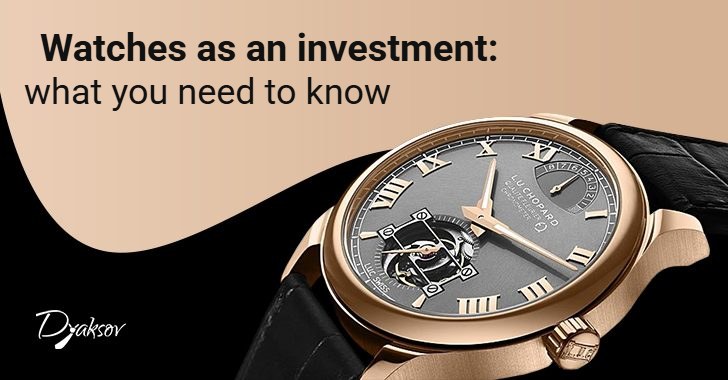
That’s why plenty of investors put money into luxury brand watches. These watches tend not only to hold their value but often to gain significantly over time. It certainly sounds tempting, but before you add this kind of luxury asset to your portfolio, there are a few important things to weigh.
Are luxury watches worth investing in?
When you invest in luxury goods, whether brand watches, art, antiques or something else, your return comes from capital appreciation. As I hinted above, luxury watches from certain well-known brands are in high demand. History shows that they hold their value and can even multiply it several times over.
Another plus: with proper care, a quality brand watch can stay in excellent condition for decades. That means it can be sold years later at a high price.
Some models, especially limited editions, can climb sharply in price thanks to their rarity and collector appeal. The famous example is the legendary Rolex Daytona that belonged to Paul Newman. In 2017, it sold at auction in New York for a record $17.8 million.
Here, beyond the brand and the model, much of the value came from the watch’s one-of-a-kind story. It belonged to a famous actor, and the caseback carries an engraved message from Newman’s wife: “Drive carefully.”
The irony is that when the model came out in the 1960s, it cost around $300 and most people didn’t like it. They thought it was “too ugly.” That changed quickly once Newman made it his signature piece and wore it almost everywhere.
Newman’s Rolex is a clear case of a watch that multiplied its value over the years, and its story thrills plenty of passionate collectors and investors. But it’s far from a guarantee that every luxury watch will do the same. Like any other investment, luxury brand watches come with risks.
Investing in luxury watches: what are the risks?
To invest in luxury brand watches, you need to know the watch industry well and have a good instinct for which models will be worth even more in the future. Not every expensive watch holds its value. So if you’re buying a watch with plans to sell it later for more, you need to choose a model that is rare enough and will stay in demand, and keep it in excellent condition.
Keep in mind that trends and tastes in the luxury watch market shift over time. Take Paul Newman’s Rolex: at first the model wasn’t popular, and owners were even willing to let it go for half price. Over the years, though, tastes changed and the watch’s value rose with them. That’s why many owners of luxury pieces have to wait years for their models to come back into favor before they can sell at a solid profit.
Another risk to know about is the so-called bandwagon effect. It’s a well-known phenomenon in investing: people do, think or believe something because a large group around them does, even when it goes against their own judgment. The more people rush into luxury watches, the more demand grows. The problem is that at some point all that extra enthusiasm can turn into a bubble.
Speaking of risks, gray-market sellers and counterfeiters flood the global market with more than 40 million fake luxury watches a year. Some are obviously poor quality, but others are so well made that you’d hardly doubt they’re real. That’s why collectors and investors, especially when buying pre-owned, need to work with a trusted dealer and an experienced appraiser who can confirm the watch is authentic. A fake can cost you a lot of money for nothing, so be extra careful.
Last but not least, the cost of a luxury watch doesn’t end at checkout. Luxury pieces like these need regular servicing, because flaws and damage usually drag their price down. Any repairs should be done by authorized specialists.
You also need to think about proper, secure storage for your collection. A few years ago, the actor Orlando Bloom was robbed, and his entire carefully built collection of luxury watches was stolen. Fortunately, the story ended well for Bloom: the police caught the thieves and the watches were returned. Still, this is not something to leave to chance.
Return on investment
As I mentioned, not every expensive brand watch has the potential to grow significantly in value. For investment purposes, experts recommend the so-called “blue chips.” The term covers classics that stay in high demand and attract nearly constant interest, such as the Rolex Daytona, Patek Philippe Nautilus, Audemars Piguet Royal Oak and others.
The first Patek Philippe Nautilus, launched in the mid-1970s, cost $3,100. Adjusted for inflation, that’s more than $14,000 in today’s money. A pre-owned example of the same model now sells for $218,000, which is a price increase of more than 1,300% in about 45 years, even after inflation.
Investing in watches takes patience and a solid knowledge of the market, but it can pay you back many times over. My interest in the topic comes from my passion for brand watches, which later turned into a business: Timedix.
Petar Dyaksov
Entrepreneur and founder of a digital agency, in e-commerce since 2009. He grows online businesses such as Fragrances.bg and Timedix and shares his experience as a speaker, moderator and mentor at nearly 80 conferences and trainings.
More about me