Managing your personal finances: first steps

Contents · 6 sections
Over the past two years, I’ve been paying more and more attention to personal finance. The reason is simple: my wife and I started a family, and I was no longer the only person I had to look after. I had to start drawing a line between business income and personal income, and think harder about savings and personal finances that would give me and my family more security and stability.
I’ve run my own businesses almost since I graduated from university. Up to that point, I took only as much in dividends from my companies as I needed to live on and reinvested most of the profit back into the business. What I came to realize is that you have to pay yourself, and that, from a personal finance point of view, my approach wasn’t the right one for the long run.
So in this article I want to share some basic principles of managing your personal finances, as I’ve seen them through my own experience.
Why I got rid of all my credit cards
One of the first things I did was close all my credit cards. Until two years ago, I used them for all kinds of purchases and paid off the balance afterward. When I started tracking my spending more closely and organizing my budget, I realized that every month I was paying a sizable amount just in interest and other fees on the money I put on my credit cards. I had never noticed that, over a year, using a credit card added up to a real expense. That gave me pause, so I closed them and kept that money. The way I shop didn’t change, but my bank fees went down.
Trimming your expenses
A core principle of personal finance is keeping your expenses in check so they don’t get too high compared to your income. That’s why one of the first important steps is to review all your expenses, whether it’s a personal or a family budget. The goal is to figure out which expenses are truly important and necessary, and which ones you can cut.
Take the fixed costs many households have, such as TV, internet and phone bills. If you haven’t sat in front of the TV in ages, there’s no point paying for an expensive plan with lots of extra channels. If you don’t want to give up TV completely, switch to a smaller package with a lower monthly fee. You can apply the same principle to any fixed expense like it. The end goal is to cut unnecessary expenses so you can put more money into savings.
Saving matters
Savings play a big role in your personal finances. A good place to start is setting aside 10% to 20% of all your income. As you get older, that percentage should go up. Many people of working age put money aside for retirement so they’ll still have a steady income once they can no longer work and earn a salary.
I recommend the book “The Richest Man in Babylon” by George S. Clason, which teaches basic financial principles that still hold true today.
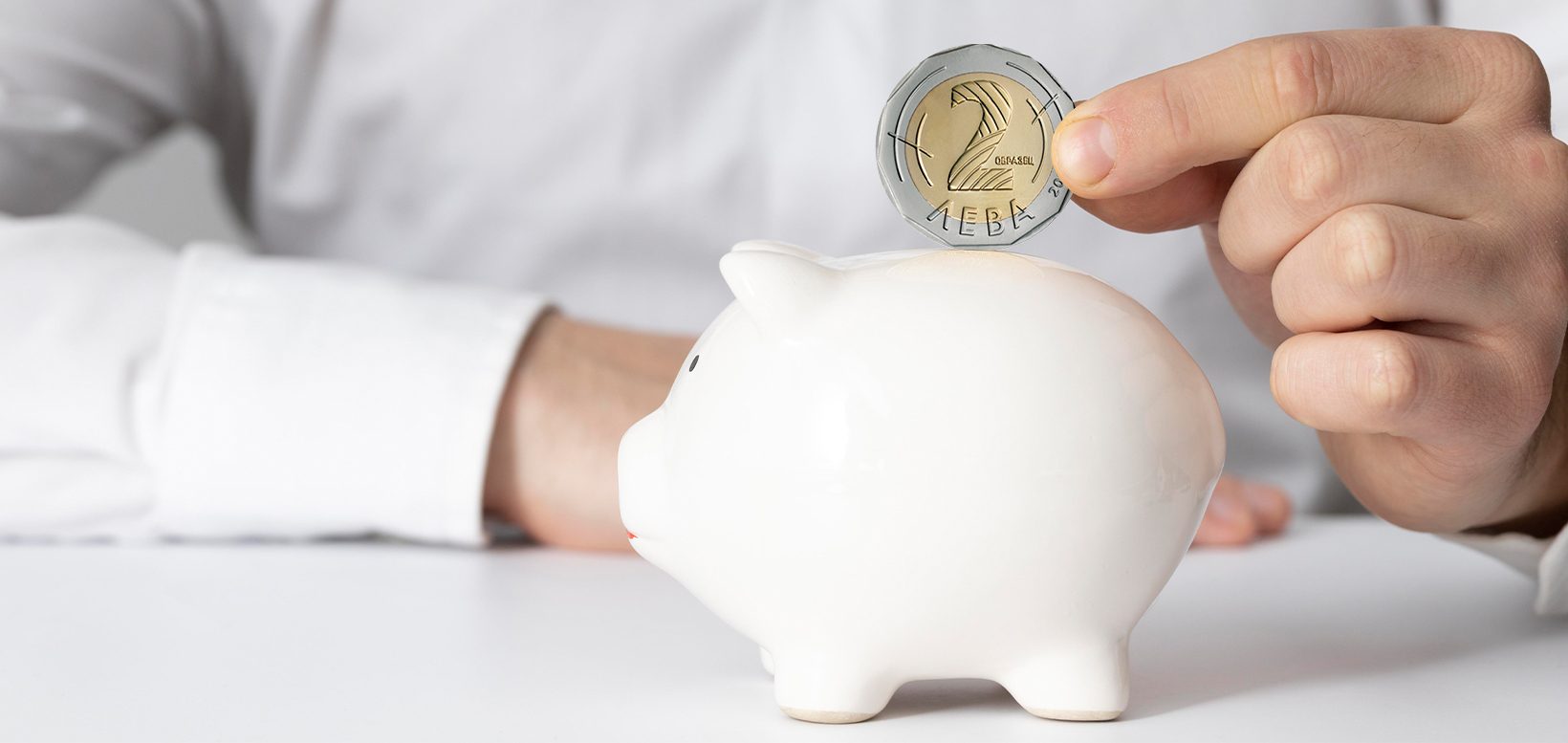
It’s smart to put part of your savings into an emergency fund. That way you have money on hand for emergencies and uncertain times, like losing your job, getting sick or having your car break down.
Tracking income, expenses and your budget
Another thing you can do is keep a detailed record of your income and expenses. It gives you a clear picture of where your money goes, and it shows you your spending habits and what you spend on most often. With that in hand, it’s easier to make an informed decision about which expenses to cut and where to save.
Often, the more we earn, the more we spend. The trouble is that this can lead to a point where expenses start to exceed income, especially if that income isn’t steady.
One of the easiest ways to keep track of your personal finances is a mobile app. I use Money Lover and find it extremely useful, because I can see at a glance how much I’ve spent and how much I’ve received each month and each year. That makes it much easier to analyze my income and expenses, plan for costs coming up in the next few months or look back at previous years.
Another good option is an Excel spreadsheet where you log your income and expenses by category. How detailed it gets is entirely up to you. Just keep in mind that the more detail you record, the deeper you can dig later, and you can build a budget from it. Ideally, have both a monthly and a yearly budget for your personal income and expenses (sample template: Link 1). If you have a family, a family budget is a good idea too (sample template: Link 2).
Discipline is the foundation of real financial stability. Building the habit of logging every single transaction (however small it seems) definitely takes time. But I’m sure the effort will pay off.
Should you keep your money under the mattress?
When it comes to savings, one factor people tend to underestimate is inflation. Every year, it eats away at the value of your savings.
Here’s a simple example. In 2019, average annual inflation in Bulgaria was 3.1%. So if you had BGN 100 (about €51) saved at the start of 2019, by the end of the year that money would buy only BGN 96.90 worth of goods and services. For every BGN 100 you hold, inflation takes BGN 3.10 of its value. The takeaway: if you let your money sit idle as cash, it loses value year after year.
If you decide to keep your money in a bank, remember that deposit rates are extremely low right now. Since the summer of 2020, rates at Bulgaria’s big banks have hit a record low of 0%. Between the account fees and inflation running higher than the interest rate, a bank deposit makes little sense.
The currency you keep your savings in matters a lot, too. Exchange rates move, and when the rate drops, so does the value of your savings.
The way to protect your savings, and even grow them, is to spread them across different kinds of investments: real estate, stocks, mutual funds, precious metals, cryptocurrencies, antiques and more. One of the most valuable lessons I learned in my very first year at university is that one of the key principles of finance is diversification. Put simply, don’t put all your eggs in one basket. Invest in different asset classes to reduce the risk of a bad investment. But to do this well, you need to understand the types of investments available.
Keep learning about personal finance
My last piece of advice: set aside time and attention to keep learning in this area. The better you understand the principles of managing your money, the more awareness and financial stability you’ll gain. In uncertain times like these, managing money well is an extremely valuable skill that can help you reach financial independence. Right now I’m taking the investing course from InvestPro (a Bulgarian investing education platform), and I like how concise and practical the material is. There’s also plenty of free information online and lots of helpful YouTube videos on the subject.
Petar Dyaksov
Entrepreneur and founder of a digital agency, in e-commerce since 2009. He grows online businesses such as Fragrances.bg and Timedix and shares his experience as a speaker, moderator and mentor at nearly 80 conferences and trainings.
More about me