What Is an NFT and How Can You Buy One?

Contents · 3 sections
Non-fungible tokens, better known as NFTs, have existed since 2014, but it wasn’t until 2021 that they caught the mainstream’s attention. Last year, digital artist Mike Winkelmann (Beeple) sold his NFT “Everydays: The First 5000 Days” for a staggering $69 million. That sale marked a new era for non-fungible tokens and sent the prices of these assets soaring.
Some well-known investors and entrepreneurs, like Gary Vee, believe NFTs are here to stay and are even launching NFT projects of their own. A number of celebrities have also ridden the wave, successfully selling their own works for significant sums. Of course, there’s no shortage of skeptics who see NFTs as just another bubble and predict a crash soon. Only time will tell what the future holds for NFTs, but at the time of writing, this is a technology with real potential to grow.
So in this article, I’ll take a closer look at what exactly an NFT is, where NFTs are used and what makes them so innovative. And if you decide you want to own one, you’ll find some useful tips on buying them below.
What is an NFT?
You’re probably hearing people around you talk about NFTs more and more, or running into videos and articles about them. But what are they, really? NFT stands for “non-fungible token.”
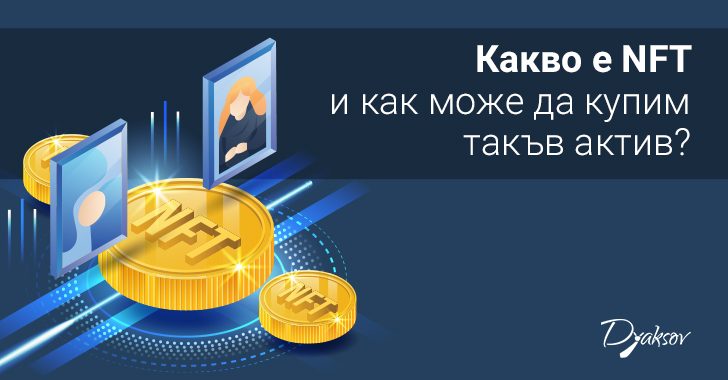
Put simply, non-fungible tokens are unique digital assets built on blockchain, the same technology behind cryptocurrencies. Even so, they are quite different from Bitcoin, Ethereum and the other cryptocurrencies you know.
One of the main differences lies in fungibility. Cryptocurrencies, like regular currencies (dollars, euros and so on), are interchangeable and can be split into smaller units that keep the same total value. A €20 bill, for example, is fungible. It’s worth exactly the same as any other €20 bill, and you can break it into two €10 bills or four €5 bills.
Now try splitting Leonardo da Vinci’s Mona Lisa into pieces. You can’t, at least not without destroying its value. Even if you make an exact copy, it won’t be authentic, and again it won’t be worth the same. The painting is an example of a non-fungible asset.
Like the Mona Lisa, NFTs are non-fungible. They are digital assets that can’t be swapped one-for-one for other NFTs, and that’s what makes them unique. Non-fungible tokens let us create a digital certificate that represents a one-of-a-kind asset. We can attach these tokens to almost anything: a photo, a video, a song or even this article.
Thanks to this technology, we can create proof of authenticity for digital content that can be owned, bought, sold and traded. Because these tokens live on a public blockchain (such as Ethereum), their built-in metadata and transaction history are open for anyone in the world with an internet connection to check. That means all of us can see which digital wallets hold which tokens at any given moment. In this way, NFTs and the blockchain behind them replace the need for paper certificates of ownership.
Where are non-fungible tokens used?
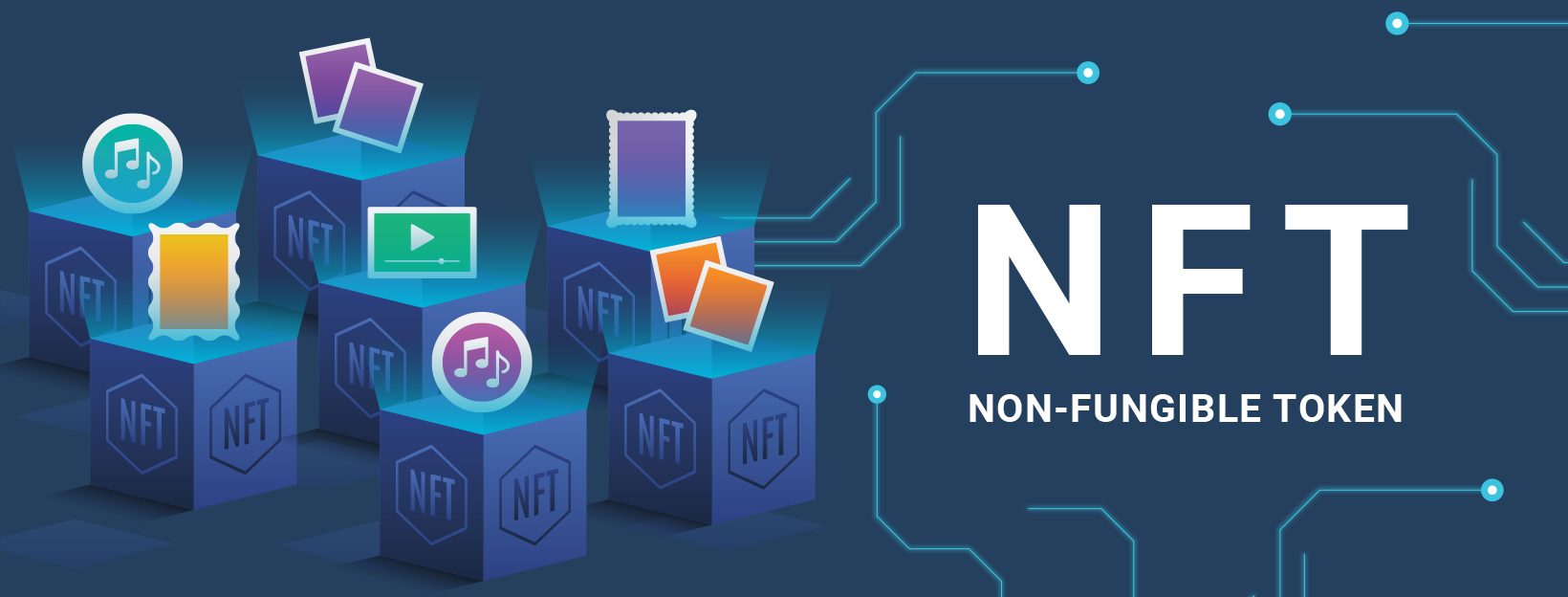
NFTs offer plenty of advantages to digital creators who decide to use the technology. First, they make it possible to prove ownership of the original asset. Second, they let creators sell their art directly, without middlemen such as galleries or auction houses. NFTs also let artists automatically earn a percentage every time their work is resold, without having to do anything.
NFTs are finding, and will keep finding, uses in many industries beyond art. They’re gaining a lot of traction in gaming, for example. Unique characters, skins and other items (weapons, gear) are already available as NFTs. They give game developers another way to extend their brand and create an extra revenue stream, while players get a stronger reason to keep playing a game if they already own characters or items in it.
There are also NFT applications designed specifically to help healthcare professionals. One example is NFT birth certificates, which healthcare providers can issue to newborns. Issuing one of these NFTs for every child could be an efficient way to quickly create a lifelong identity on the blockchain, tied to the child’s birth certificate and verifiable with NFT verification apps.
And of course, there’s the metaverse, which people talk about more and more. NFTs are an excellent way to certify ownership of digital property, which could be useful if one day much of what people own is digital land, homes or clothes for their avatars.
How can you buy an NFT?
If you’re planning to get some non-fungible tokens yourself, there are a few important things to know first. NFTs are traditionally bought with cryptocurrency, so you’ll need to have (or buy) some of the cryptocurrency accepted by the platform you choose. You’ll also need a digital wallet to store both your crypto and your NFTs.
If you don’t own any cryptocurrency, you can buy some on exchanges like Binance, Coinbase, Kraken and others. Then you can move it from the exchange to the wallet of your choice.
There are quite a few places where you can buy your first NFT, and new platforms are probably launching as you read this. That’s why I recommend reading each platform’s terms carefully before you buy.
At the time of writing, the biggest and most popular platforms include OpenSea.io, Rarible, Foundation and Binance NFT. On them you’ll find a wide variety of NFTs, mostly collectibles, from many different artists and digital creators.
I hope this article has given you a clear picture of what non-fungible tokens are and how you can get your hands on them. If you’re interested in entrepreneurship, business, marketing and personal finance, take a look at the other articles on my blog.
Petar Dyaksov
Entrepreneur and founder of a digital agency, in e-commerce since 2009. He grows online businesses such as Fragrances.bg and Timedix and shares his experience as a speaker, moderator and mentor at nearly 80 conferences and trainings.
More about me