How Neural Interfaces Will Transform Business and Marketing

Contents · 11 sections
- The beginning and the end of an era
- Why is the smartphone era ending, and what…
- What are neural interfaces and how do they…
- Can a neural interface replace the smartphone?
- How is neurotechnology changing marketing?
- The new world of AI and the “Thousand…
- Neural interfaces and the IT sector: synergy or…
- Which companies are already betting on life after…
- What are the benefits and risks for business?
- How do we get to the new era?
- Act now or stay in the past?
Life after the smartphone: why business and marketing will never be the same
An era is ending, and the next one isn’t politely arriving. It’s breaking down the door. In this article, we’ll look at the end of the smartphone era and step into a world where neural interfaces promise not just to replace the phone in your pocket but to rewrite how we do business, communicate and experience the world. If you want an early look at the technologies that will shape the next decade, read on.
The beginning and the end of an era
Smartphones changed more than our daily routines. They changed how businesses reach their customers. From the first touchscreen phone in the early 1990s to the smartphone boom that took off in 2008, mobile technology set the rules. Apple, Samsung, Huawei and other giants raced to ship ever more powerful devices, with operating systems like iOS and Android, sensors, 13-megapixel cameras and apps that turned entire business models upside down.
Business moved almost entirely online. High prices on some models didn’t stop phones from conquering the mass market. Smartphones made it possible to create business ideas that would have sounded like science fiction ten years earlier. But now that all of this feels ordinary, we’re starting to look ahead and ask what might replace the smartphone.
Why is the smartphone era ending, and what comes next?
No tech product stays on top forever. Smartphones still dominate, but the category is showing signs of fatigue. People want technology that is more intuitive, more hands-free and better woven into their lives. MIT Technology Review has pointed out that wearables such as Bluetooth earbuds and augmented reality glasses are already blurring the line between physical and digital experiences. Picture a gadget with no screen that talks directly to your brain. That’s where we’re headed.
The smartphone of the future may not be a smartphone at all. New technologies point to interaction at the level of neurons, where you don’t see the hardware, you feel it. For years now, the idea of replacing the smartphone with neurotechnology has been taking shape: not as one more gadget, but as a change in how we perceive technology itself.
What are neural interfaces and how do they work?
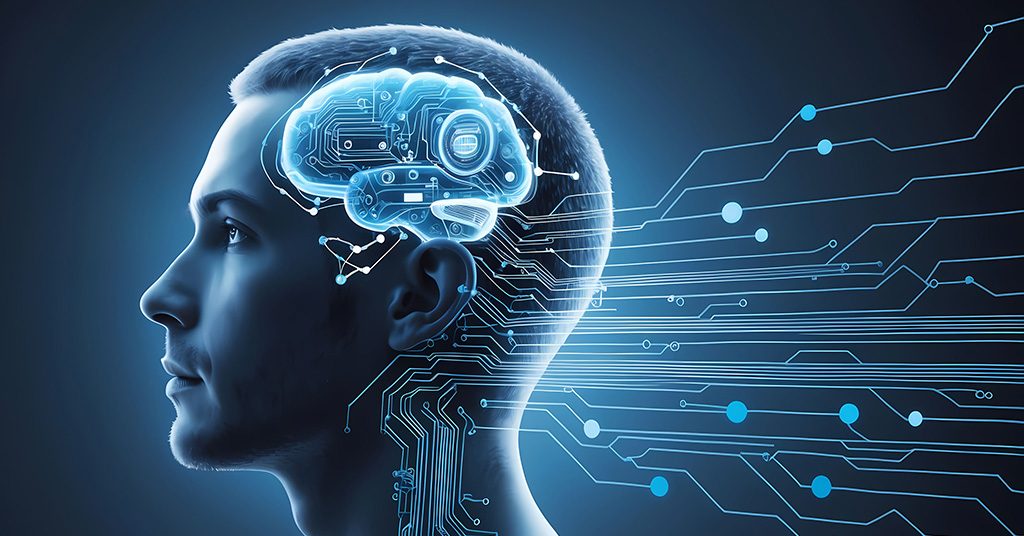
Neural interfaces are technologies that allow direct communication between the brain and a computer system. They capture brain activity and convert it into digital signals. At the simple end, you move a cursor with a thought. At the advanced end, you control complex software or AI through networks of neurons. Research published in Nature has already reported accuracy above 90% when translating brain signals into text.
This is no longer science fiction. It’s a reality under construction. The theory of intelligence is becoming a theory of interaction, and that opens up enormous possibilities. At its core is the way neurons help us learn and remember. If we can replicate those processes with artificial intelligence, we won’t just use technology. We’ll become part of it.
Can a neural interface replace the smartphone?
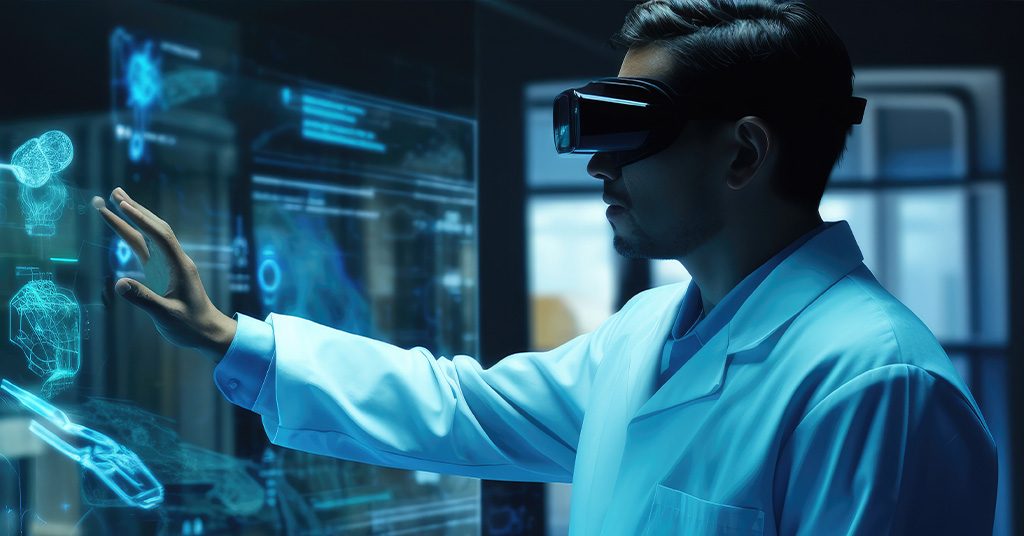
It sounds ambitious, but it’s already technically possible. Elon Musk and his company Neuralink are building a neural interface that communicates directly with electronic devices. The goal is a system that lets you send messages, search the web and even join online meetings without holding a device.
Skeptics will say this is only the beginning. But remember how quickly the first Android phone outran expectations, and it’s easy to see how similar devices could push mobile phones aside. Tiny and fully integrated with AI, neural interfaces won’t present themselves as an alternative to today’s smartphones. They’ll feel like the natural next step.
How is neurotechnology changing marketing?
Marketing as we know it is about to be rethought from the ground up. With neural interfaces, we’re no longer limited to measuring clicks, time on page or conversion rates. We can analyze a user’s neural activity directly, in real time. That means a deeper understanding of emotions, reactions and even subconscious preferences.
Neuromarketing researchers argue that bringing neural data into marketing analytics can sharpen targeting and drive much higher engagement. Imagine an ad that responds to your brain signals, shaped not only by what you do but by what you actually feel. That isn’t just the next level of marketing. It’s marketing’s evolution.
Neurotechnology will make it possible to build campaigns that adjust their content on the fly based on how people react. Some companies are already testing the technology, racing to be among the first to speak the brain’s language and to influence purchasing decisions without appearing to.
The new world of AI and the “Thousand Brains” theory
The Thousand Brains theory is one of the most striking ideas in the search for general artificial intelligence. Developed by Jeff Hawkins, it describes the brain as a network of thousands of small units that learn and make decisions independently, yet in coordination. Hawkins explains how this works in plain language, not only as a scientist but as someone who sees the technology as a bridge between biology and machines. The future, he argues, won’t be centralized. It will be modular and adaptive. If we can reproduce this model in artificial intelligence, we won’t have just a tool. We’ll have an intelligent system that thinks like a human, or even better.
Education will play a key role. Understanding how neural networks work, how neural interfaces interact with our brains and what it means to learn and remember through them all takes a new way of thinking. We won’t just learn to use the technology. We’ll learn to be part of it. That changes how technology fits into everyday life and business. We’re no longer talking about an assistant. We’re talking about a thinking partner.
Information technology in business moves too fast for anyone to wait. The developers who bring this concept into everyday business practice will dominate the new era, one where we won’t need devices because we ourselves will be the platform.
The remarkable part is that these technologies don’t require bulky hardware, don’t depend on LTE or 3G and aren’t tied to systems like Android or iOS. They run on the brain, the most powerful system ever created. This future has already moved from idea to development, and we can’t afford to ignore it.
Neural interfaces and the IT sector: synergy or competition?
The IT industry has always driven innovation. But as neural interfaces take the stage, the question is whether companies will adapt or fall behind. Microsoft has explored brain-computer interfaces in its research labs, hoping to be among the pioneers of software that responds to brain signals. Apple has also signaled that it is exploring thought-based control for future devices.
Some analysts expect a clash between traditional IT thinking and the new “brain-first” approach. In reality, the biggest opportunity belongs to those who combine both worlds. Building neural interfaces into a mobile or desktop operating system could change how we think about productivity, security and user experience.
Programmers will have to adapt fast. The new interfaces call for new programming languages, new architectures and a completely different logic of interaction. That’s why this shift isn’t just technological. It’s a change of paradigm. It demands thinking beyond keyboards, beyond screens, beyond smartphones.
Which companies are already betting on life after the mobile phone?
The race is on. Neuralink is the best-known name in the field, but a number of startups and big companies are working to bring neural interfaces into everyday life. Facebook Reality Labs is experimenting with neural input devices that control digital interfaces. Samsung has tested prototypes that use brain signals to control its Galaxy devices.
Apple and other tech giants are filing patents in neurosensing, working toward wearables that read brain activity and could one day respond to thought alone. A new tech race is taking shape, and it isn’t about the fastest processor or the best camera. It’s about the best interaction between people and machines.
New players are emerging too, companies that until recently had nothing to do with smart technology. They come from neuroscience, medicine and bioengineering, and their products rely on a neural interface rather than a visual one. It’s a huge leap that could make today’s smartphones obsolete in less than a decade.
What are the benefits and risks for business?
Bringing neural interfaces into the workplace promises more than efficiency. It promises radically new levels of automation and personalization. Imagine an employee who works with the company’s systems by thought, with no physical device at all. Response times shrink, errors disappear and productivity soars. AI combined with neural interfaces doesn’t just support a business. It restructures it.
The risks are just as real. The lack of regulation in this new territory raises serious privacy concerns. Access to someone’s brain activity is a sensitive matter. Ethics, dependence on algorithms and even the possibility of “planting” desires through neurofeedback all raise hard questions.
Will this progress overshadow our humanity? Or is it simply the next step in technological evolution? Every innovation brings its own dilemmas, but history shows that adaptability is the key to survival and success.
How do we get to the new era?
Entering the new era starts with changing how we think. Companies that still invest only in traditional mobile technology risk falling behind. Android, iOS and the apps built for them need a hard second look: how useful will they be in a world of neural interfaces?
The technologies taking shape now call for a new generation of developers, new security standards and a completely new marketing strategy. Those who start today will be the pioneers, and pioneers win more than the top spots. They win the market’s trust. Thinking strategically means thinking ahead, with vision, knowledge and understanding.
Act now or stay in the past?
The history of technology is a history of people who dared. First it was Nokia, then the iPhone, today Galaxy and Huawei, and tomorrow the neural network in your mind. There’s no time to wait and no room to hesitate. The future isn’t just knocking on the door. It’s already inside. It’s up to us whether we keep clinging to outdated phones or embrace a new reality where AI and neural interfaces build a world beyond the limits of imagination.
Now is the time to adapt, experiment and take risks. In business, the winners are the ones who feel the wind change before everyone else. Neural interfaces aren’t just an alternative to the smartphone. They are the new era. Welcome to it!
Petar Dyaksov
Entrepreneur and founder of a digital agency, in e-commerce since 2009. He grows online businesses such as Fragrances.bg and Timedix and shares his experience as a speaker, moderator and mentor at nearly 80 conferences and trainings.
More about me